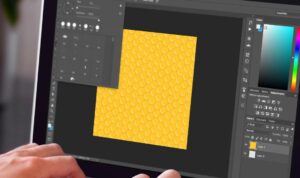
Hey there, Kids Game! Ready to dive into the amazing world of Photoshop and create graphics that’ll blow everyone away? This step-by-step guide will take you from complete beginner to Photoshop pro, equipping you with the skills and knowledge to design stunning visuals. Whether you’re dreaming of crafting eye-catching social media posts, designing professional-looking logos, or simply unleashing your creative potential, this guide is your ticket to Photoshop mastery. So, grab your digital stylus and let’s get started! We’ll cover everything from basic tools to advanced techniques, ensuring you have a solid foundation to build upon. Get ready to unlock the power of Photoshop and bring your creative visions to life!
Section 1: Mastering the Photoshop Basics
Understanding the Interface
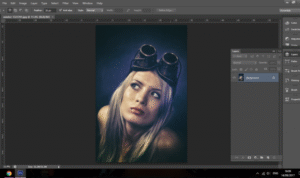
Navigating Photoshop can feel overwhelming at first, with its multitude of panels, tools, and options. But don’t worry, Kids Game, it’s easier than it looks! We’ll break down the interface into manageable chunks, starting with the toolbar, menu bar, and options bar. Understanding these core elements will give you a solid foundation for exploring the more advanced features. Think of it like learning the controls of a spaceship – once you grasp the basics, you can start exploring the galaxy!
Learning the keyboard shortcuts is a game-changer in Photoshop. They’ll drastically speed up your workflow and make the entire design process smoother. We’ll cover essential shortcuts like Ctrl+Z (or Cmd+Z for Mac) for undo, Ctrl+S (Cmd+S) for save, and many more. Trust me, these shortcuts will become your best friends in your Photoshop journey.
Working with Layers
Layers are the heart and soul of Photoshop. They allow you to stack and manipulate different elements of your design independently, giving you unparalleled flexibility. Imagine them like sheets of transparent paper stacked on top of each other. You can edit each sheet without affecting the others. This is crucial for non-destructive editing, allowing you to experiment freely without fear of permanently altering your image.
We’ll explore different layer types, blending modes, and masking techniques, unlocking a whole new world of creative possibilities. From adjusting opacity to creating intricate composites, layers are your key to achieving stunning visual effects. Get ready to layer up, Kids Game, and watch your designs come to life!
Section 2: Creating Stunning Visual Effects
Mastering Color Correction
Color correction is the art of enhancing and adjusting the colors in your images to achieve a specific mood or aesthetic. We’ll delve into various color correction techniques, including using adjustment layers, curves, and levels. Whether you want to create a vibrant, eye-catching look or a subtle, film-like feel, mastering color correction is essential for achieving professional-looking results. This step-by-step guide to creating stunning graphics in Photoshop wouldn’t be complete without it!
From subtle tweaks to dramatic transformations, color correction can make a world of difference in your designs. We’ll explore how to correct color casts, adjust brightness and contrast, and fine-tune individual color channels. Get ready to unlock the power of color and transform your images into breathtaking works of art.
Exploring Filters and Effects
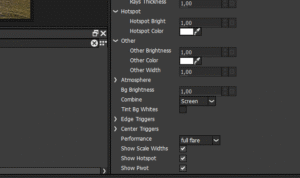
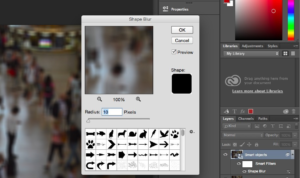
Photoshop offers a vast library of filters and effects that can add incredible depth and style to your graphics. We’ll explore popular filters like blur, sharpen, and distort, as well as more advanced effects like lens flares and lighting effects. From subtle enhancements to dramatic transformations, filters can take your designs to the next level.
Experimenting with different filters and blending modes is a great way to discover new creative possibilities. We’ll cover how to apply filters selectively using masks and adjustment layers, giving you precise control over your edits. Get ready to unleash your inner artist and explore the endless possibilities of Photoshop’s filter gallery. This is key in your step-by-step guide to creating stunning graphics in Photoshop.
Section 3: Advanced Techniques for Stunning Graphics
Working with Text and Typography
Typography plays a crucial role in graphic design, conveying information and setting the tone for your visuals. We’ll explore how to work with text in Photoshop, including adding, formatting, and styling text layers. From creating bold headlines to designing elegant logos, mastering typography is essential for creating effective and visually appealing graphics.
We’ll cover different font families, kerning, tracking, and leading, giving you the tools to create stunning typographic compositions. Whether you’re designing a poster, a website banner, or a social media graphic, understanding typography will elevate your designs to a professional level. This step-by-step guide to creating stunning graphics in Photoshop will equip you with the knowledge you need to create impactful text-based designs.
Creating Custom Brushes
Creating custom brushes in Photoshop opens up a whole new world of creative possibilities. Imagine designing your own unique textures, patterns, and effects! We’ll walk you through the process of creating custom brushes from scratch, allowing you to add a personal touch to your designs.
From subtle textures to bold strokes, custom brushes can transform your artwork. We’ll explore different brush settings and techniques, giving you the power to create anything from realistic paint strokes to abstract designs. Get ready to unleash your inner brush master and add a unique flair to your Photoshop creations. This completes your step-by-step guide to creating stunning graphics in Photoshop.
Photoshop Feature Comparison
| Feature | Beginner-Friendly | Intermediate | Advanced | Description |
|---|---|---|---|---|
| Selection Tools | Yes | Yes | Yes | Selecting specific areas of an image. |
| Layers | Yes | Yes | Yes | Non-destructive editing with stacked elements. |
| Filters | Yes | Yes | Yes | Pre-built effects for quick enhancements. |
| Brushes | Yes | Yes | Yes | Painting and drawing tools. |
| Text | Yes | Yes | Yes | Adding and styling text. |
| Paths | No | Yes | Yes | Creating vector shapes and selections. |
| 3D Tools | No | No | Yes | Creating and manipulating 3D objects. |
| Actions | No | Yes | Yes | Automating repetitive tasks. |
Conclusion
So there you have it, Kids Game! A comprehensive step-by-step guide to creating stunning graphics in Photoshop. We’ve covered everything from the basics to advanced techniques, giving you a solid foundation for your Photoshop journey. Remember, practice makes perfect, so keep experimenting and exploring all that Photoshop has to offer. Be sure to check out our other articles for more tips, tricks, and tutorials on mastering the world of digital art!
FAQ about Step-by-Step Guide to Creating Stunning Graphics in Photoshop
What is Photoshop and why is it good for creating graphics?
Photoshop is a powerful image editing software used by professionals and amateurs alike. It offers a wide range of tools and features for creating and manipulating images, making it ideal for designing stunning graphics.
Where can I get Photoshop?
You can purchase a subscription to Adobe Photoshop from the Adobe website. They offer different plans depending on your needs.
I’m a beginner. Is Photoshop difficult to learn?
Photoshop can seem daunting at first, but it becomes easier with practice. There are tons of free tutorials and resources online that cater to beginners.
What kind of graphics can I create in Photoshop?
You can create almost any kind of graphic in Photoshop, including web banners, social media posts, logos, posters, illustrations, and photo manipulations.
What are some basic tools I should learn first?
Start with the selection tools (like the Marquee, Lasso, and Magic Wand), the brush tool, the text tool, and the layer panel. Understanding these will give you a good foundation.
What are layers and why are they important?
Layers are like stacked transparent sheets. They allow you to work on different parts of your graphic independently without affecting other elements. This makes editing and experimenting much easier.
What file format should I save my graphics in?
For web graphics, use formats like JPEG, PNG, or GIF. For print graphics, TIFF or PDF are recommended. PSD is Photoshop’s native format and preserves layers for future editing.
How do I add text to my graphic?
Use the Text tool (T) to click and type on your canvas. You can then customize the font, size, color, and style in the Character panel.
Where can I find free resources like fonts and images for my graphics?
Websites like Google Fonts, Unsplash, and Pexels offer a wide selection of free fonts and stock photos that you can use in your Photoshop projects.
What if I make a mistake? How do I undo it?
You can undo your last action by pressing Ctrl+Z (Windows) or Command+Z (Mac). You can also step back through multiple actions using the History panel.