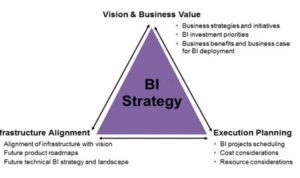
Overcoming Common Pitfalls in Business Intelligence Adoption is essential for businesses aiming to leverage data for informed decision-making. In today’s rapidly evolving digital landscape, the ability to effectively utilize business intelligence tools can be the difference between staying competitive or falling behind. Many organizations, however, stumble over common challenges that hinder their adoption of these powerful technologies. Recognizing and addressing these pitfalls is crucial to unlocking the full potential of business intelligence.
By understanding the landscape of business intelligence, including its various tools and methodologies, organizations can better navigate the complexities of data integration, analysis, and reporting. This understanding not only fosters a culture of data-driven decision-making but also ensures that stakeholders are equipped to handle the intricate nuances associated with implementing such systems.
In today’s fast-paced world, the importance of effective communication cannot be overstated. Whether in personal relationships, at the workplace, or in public settings, the ability to convey thoughts clearly and respectfully is essential. Communication is not just about the words we use but also about how we express ourselves, including our tone, body language, and listening skills.At the heart of successful communication lies the understanding of what it means to connect with others.
This connection is built on trust, empathy, and the ability to engage in meaningful conversations. In this article, we will explore the various facets of communication, the barriers that can arise, and how to overcome them to foster healthier interactions.### Understanding CommunicationCommunication is a multi-dimensional process that involves sending and receiving messages. It can be verbal, non-verbal, written, or visual.
Verbal communication includes spoken words, while non-verbal communication encompasses body language, facial expressions, and gestures. Written communication involves emails, texts, and letters, and visual communication relies on images, graphs, and charts to convey information.To communicate effectively, one must consider the audience and the context. Tailoring your message to fit the recipient’s needs and understanding can significantly enhance the effectiveness of your communication.
For instance, the language used in a formal business meeting will differ from that used in a casual conversation with a friend.### The Role of Active ListeningOne often overlooked component of effective communication is active listening. This is more than just hearing the words being spoken; it involves fully engaging with the speaker, understanding their message, and providing feedback. Active listening requires focus and an open mind, which helps to create a supportive environment for dialogue.When we listen actively, we validate the other person’s feelings and viewpoints, even if we may not agree with them.
This validation can lead to more constructive conversations and can help to de-escalate potential conflicts. Techniques such as paraphrasing, asking clarifying questions, and summarizing the speaker’s points are effective ways to demonstrate active listening.### Common Communication BarriersSeveral barriers can hinder effective communication. These barriers can be psychological, emotional, or physical. Psychological barriers include biases, stereotypes, and preconceived notions that can cloud judgment and interpretation.
Emotional barriers can arise from personal experiences, leading to defensiveness or overreacting to certain topics.Physical barriers, such as distance and noise, can also impede communication. In today’s digital age, technology can both facilitate and complicate communication. While emails and instant messaging provide convenience, they can also lead to misunderstandings due to the lack of non-verbal cues. Recognizing these barriers is the first step in overcoming them.
By being aware of the potential challenges, communicators can make a conscious effort to address them, ensuring that messages are conveyed and received as intended.### Strategies for Effective CommunicationTo enhance communication skills, several strategies can be implemented:

1. Clarity and Conciseness
Strive to be clear and concise in your messaging. Avoid jargon and overly complex language, especially when communicating with individuals who may not share your expertise in a particular field.
2. Empathy
Try to understand things from the other person’s perspective. Show empathy by acknowledging their feelings and responding thoughtfully.
3. Open-Ended Questions
Encourage dialogue by asking open-ended questions. This invites the other person to share more about their thoughts and feelings, fostering a deeper conversation.
4. Non-Verbal Signals
Be mindful of your body language, tone of voice, and eye contact. These non-verbal cues can significantly influence how your message is perceived.
5. Feedback
Provide and seek feedback regularly. This not only helps clarify messages but also shows that you value the other person’s input.
6. Practice Patience
Effective communication often requires patience. Give people time to express their thoughts and be willing to engage in discussions, even if they become challenging.### The Impact of Culture on CommunicationCulture plays a significant role in shaping communication styles. Different cultures have varying norms regarding greetings, eye contact, and expressions of emotion. Being culturally aware and sensitive can enhance interactions, especially in diverse settings.
For instance, in some cultures, direct eye contact is seen as a sign of confidence, while in others, it may be viewed as disrespectful. Understanding these differences can help avoid misunderstandings and promote respectful exchanges.### The Importance of FeedbackFeedback is an integral part of the communication process. It not only helps individuals understand how their message was received but also encourages improvement.
Constructive feedback should be specific, focused on behavior rather than personal traits, and offered in a supportive manner.In workplaces, feedback can lead to significant improvements in performance and relationships. It creates a culture of continuous learning and development, where individuals feel valued and motivated to improve.### ConclusionEffective communication is a skill that requires ongoing practice and reflection. By understanding the various elements of communication, recognizing potential barriers, and employing effective strategies, individuals can enhance their ability to connect with others.
Whether in personal or professional contexts, good communication fosters stronger relationships, reduces misunderstandings, and promotes a more collaborative environment.As we navigate through life, let’s strive to be mindful communicators who not only express ourselves clearly but also listen with intention and empathy. By doing so, we contribute to a more respectful and understanding world, where everyone feels heard and valued.