How Technology Is Transforming Healthcare is an exciting exploration of the profound changes technology is bringing to the medical field. From telemedicine that connects patients and doctors across vast distances to wearable devices that continuously monitor health, innovation is reshaping how we approach healthcare. With each advancement, we not only enhance the efficiency of medical practices but also improve patient outcomes and accessibility, making healthcare more personalized and responsive than ever before.
This transformation is not just about tools and gadgets; it’s about rethinking healthcare systems to meet the needs of diverse populations. As technology integrates into every aspect of health, understanding its role becomes crucial for both providers and patients alike. This overview will delve into the various ways technology is being leveraged to improve healthcare delivery, patient engagement, and overall health management.
In the modern age, technology is an integral part of our daily lives, shaping how we communicate, work, and interact with the world. In this article, we’ll delve into the multifaceted nature of technology, exploring its evolution, impact on society, and the future it heralds.The journey of technology begins with the earliest human innovations, such as the creation of tools and fire.
These fundamental advancements laid the groundwork for more complex inventions, paving the way for the wheel, agriculture, and eventually, the industrial revolution. The industrial revolution marked a significant turning point, as it transformed economies from agrarian to industrial, leading to urbanization and the modern workforce. Factories sprang up, and machines began to replace manual labor, increasing productivity but also leading to new social challenges.Fast forward to the 20th century, and we witness the rise of the digital age.
The invention of the computer, followed by the internet, revolutionized how information is accessed and shared. The concept of “information at your fingertips” became a reality. With advancements in computing power and connectivity, we saw the emergence of personal computers in the 1980s, followed by mobile phones in the 1990s, and smartphones in the 2000s. Each progression not only made communication faster and more efficient but also transformed our social interactions, entertainment, and education.One cannot discuss the impact of technology without acknowledging social media, a platform that has redefined how we connect with others.
Platforms like Facebook, Twitter, and Instagram have turned everyone into a potential broadcaster, allowing individuals to share their thoughts, experiences, and creativity with a global audience. While this democratization of information has empowered many, it has also raised concerns about privacy, misinformation, and mental health. The constant barrage of information can lead to information overload, making it challenging to discern fact from fiction.Moreover, technology has significantly impacted the workforce.
Automation and artificial intelligence (AI) are transforming industries, leading to increased efficiency but also raising questions about job displacement. Many fear that machines will take over jobs traditionally held by humans, while others argue that technology creates new opportunities and roles that we cannot yet envision. This dichotomy highlights the need for reskilling and education in the face of rapid technological changes.
Lifelong learning is becoming an essential aspect of career development, as professionals must continuously update their skills to keep pace with advancements.In health care, technology has been a game-changer. Telemedicine, electronic health records, and wearable health devices have improved patient care and accessibility. The COVID-19 pandemic accelerated the adoption of telemedicine, allowing patients to consult with healthcare professionals from the comfort of their homes.
This shift not only enhanced convenience but also reduced the risk of virus transmission in healthcare settings. Additionally, data analytics and AI are being used to predict disease outbreaks, personalize treatment plans, and improve overall patient outcomes.Education has also experienced a seismic shift due to technology. The rise of online learning platforms has made education more accessible than ever before.
Students from diverse backgrounds can now access quality education irrespective of geographical barriers. However, this transition has also highlighted the digital divide, as not all students have equal access to the necessary technology and internet connectivity. Bridging this gap is crucial to ensure that the benefits of technology in education are equitably distributed.As we look toward the future, the conversation around technology becomes even more complex.
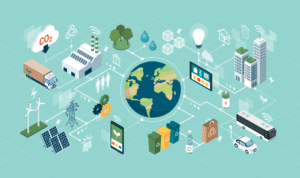
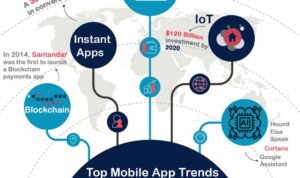
With the advent of artificial intelligence and machine learning, we must grapple with ethical considerations. Questions about data privacy, algorithmic bias, and the implications of AI decision-making loom large. Society must establish a framework that ensures technology serves humanity and not the other way around. This includes creating regulations that protect individuals’ rights while fostering innovation.Furthermore, the rise of the Internet of Things (IoT) is set to connect devices and systems in unprecedented ways.
From smart homes to autonomous vehicles, the potential applications are vast. However, with increased connectivity comes heightened security risks. Cybersecurity will be paramount as we navigate this interconnected landscape, ensuring that individuals and organizations can trust the technology they use daily.In conclusion, technology is a double-edged sword, offering immense possibilities while presenting significant challenges. As we continue to innovate and integrate technology into our lives, we must do so with a mindful approach.

Collaboration among technologists, policymakers, and society at large is essential to harness the benefits of technology while mitigating its risks. The future is bright, filled with potential, but it requires our collective effort to ensure that it leads to a more equitable and sustainable world.